
May 2015 FEW Meeting Recap: Genki in Japan
Recap: “Genki in Japan – A Panel Discussion on Diverse Approaches to Women’s Health and Well-Being in Japan” – May 14, 2015
By Katharina von Tschurtschenthaler, FEW Programs Director
We are how we move, we are what we eat, we are how we feel. The discussion at the FEW monthly meeting on May 14th was all about how to stay “genki“ – healthy – in Japan: a country not only claimed to be the nation with the highest life-expectancy but also with a long tradition in alternative medicine.
With our panelists we were able to cover different approaches on women’s health and well-being including western medicine, traditional approaches such as shiatsu and acupuncture and GYROKINESIS®, a movement method that works on the spine and posture by using elements of dance, as Maya Ileto, certified GYROKINESIS® trainer shared and demonstrated to the audience. And one thing became very clear: everything is connected. Having sudden cravings for sugar can mean that your emotional health is out of balance, explains Purnima Sharma-David, a reiki master and shiatsu therapist.
It is important to underline that every individual has to find out personally which treatment, which form of nutrition works best. Just to mention an example: not everyone is meant to be a vegetarian, nor is following GYROKINESIS® classes everyone’s cup of tea. However, very often various medical approaches can be combined. Dr. Claudine Bliah, a French gynecologist working at Tokyo Medical Surgical Clinic and the Aiiku Hospital in Hiroo, told of the case of a pregnant women, who suffered from jet lag and could not sleep for four nights in a row. Giving sleeping pills to a pregnant woman is not an option. That is when alternative treatment methods can be helpful – treatments which do not require any sort of medication, such as acupuncture or reiki. Or take it the other way round: Clearly, alternative medicine is not known to cure cancer. But alternative treatments like acupuncture can support the patient’s self defence and coping capacity when facing chemotherapy treatments, as Stephanie Chan, a licensed acupuncturist from Edward Obaidey Sensei’s acupuncture clinic in Tokyo explained.
 In her over 20 years of working in Japan, Dr. Claudine Bliah experienced that many things here work differently than in Europe or the US. Including in western medicine, especially when it comes to preventive check-ups, for example PAP smear tests. Japanese National Health Insurance only covers the costs, if the patient is in possession of a coupon, which had been sent out from the city office. Timing and regularity differ among the different city offices in Tokyo. (Your city administration office can help with further information, often also in English.)
The same applies to alternative treatments: many of them will not be reimbursed under National Health Insurance. Although, these policies are undergoing changes with a trend towards more compensation, more recognition of the benefits of alternative treatments, and more patients becoming interested in alternative treatments, especially with regard to prevention.
 However, trying out an alternative approach to reclaim emotional and physical health can be life changing. Anyhow, it was for the majority of our speakers. Most had worked in different sectors before choosing a new path. Purnima Sharma-David holds a Master of Arts in International Studies. It was only when she suffered from depression that she pursued reiki, later followed by shiatsu. Just taking medication would not satisfy her, that is why she searched for a more holistic health perspective. Or Maya Ileto, who after years of enduring the Japanese work culture first set up her own business as a translator and editor for not-for-profits and academia, but also became a GYROKINESIS® trainer to counter the effects of her desk-bound profession and to share something that is good for your health and that imparts the spirit of dance, which ultimately allows the body and mind to feel free.
Some exercises from shiatsu or acupuncture can be done easily at home. Our speakers demonstrated simple, efficient DIY practices. You can read about some of them also here. (Please link to Genki in Japan Handouts PDF in May Updates Folder). After all, a big part of our well-being has to do with listening to our bodies and to ourselves. Taking some time everyday, focusing on our breathing, sitting down to eat instead of gulping down lunch between two meetings can already make a difference.
About the panelists
 Purnima Sharma-David, Shiatsu Therapist & Reiki Master at Lotus Healing
Purnima is a registered member of the International Association of Reiki Professionals (IARP) and a certified Shiatsu Therapist.
Purnima was born and raised in British Columbia, Canada. Her MA in international studies heightened her sensitivity to the plight of women around the world, but also sparked a desire to contribute to the wellbeing of women. Her own personal struggles compelled her to pursue Reiki and reclaim her emotional health. Shortly afterwards, she pursued Shiatsu as she saw its profound affect on her mother’s battle with a chronic illness.
 Stephanie Chan, Licensed Massage Therapist and Acupuncturist, Edward Obaidey Acupuncture Clinic
Stephanie has a Master of Science in Traditional Chinese Medicine and is a licensed massage therapist and acupuncturist, who trained in the US, China and Japan. After intense work years as a health educator and HIV counselor, she was inspired to leap back into the heathcare field through the traditional art of acupuncture to treat overall health.
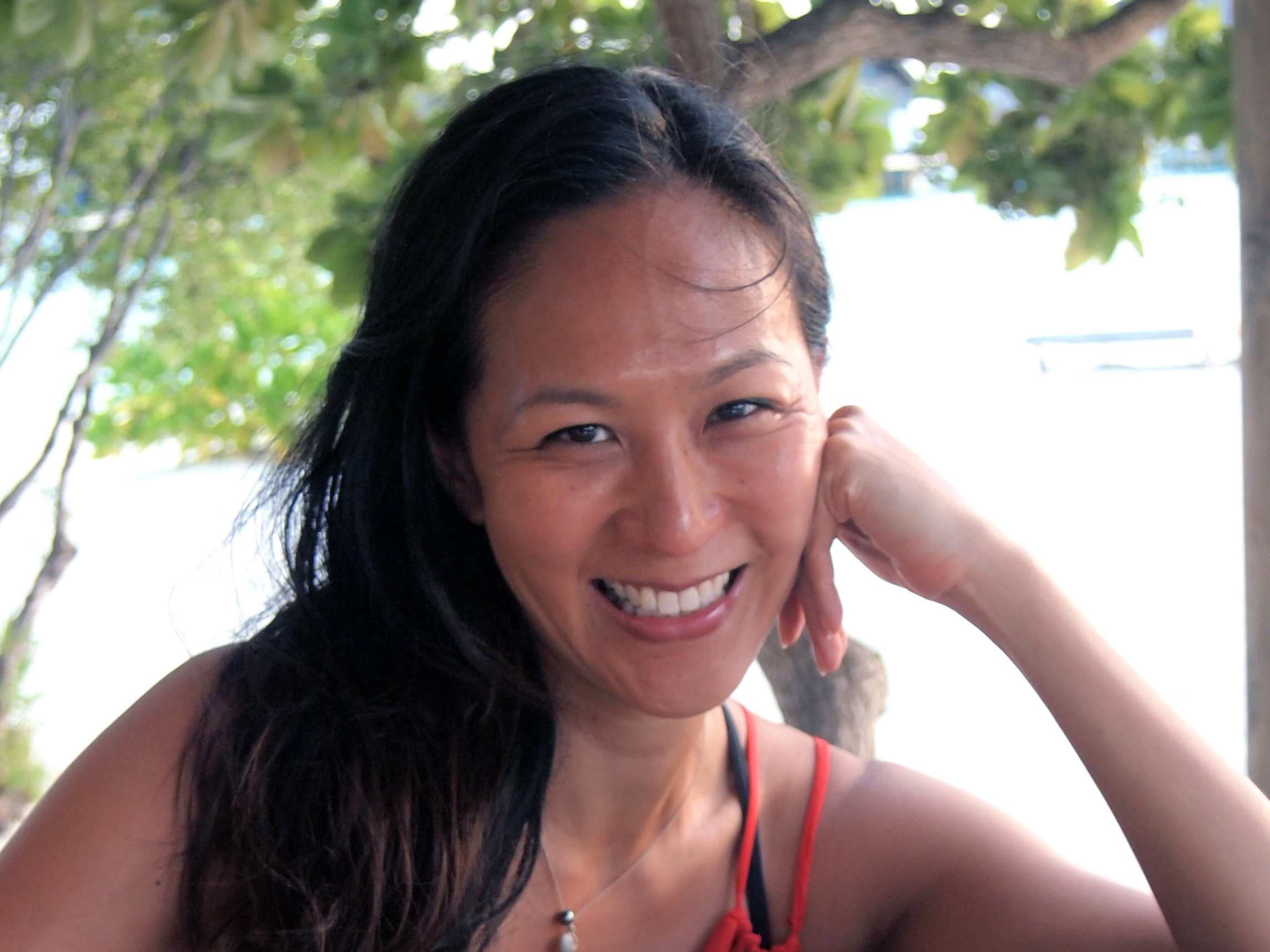 Maya Ileto, GYROKINESIS® Trainer, Maya Moves
Maya Ileto is a Certified trainer of GYROKINESIS®, a movement system developed in the 1970s as a way to rehabilitate dancers from injury, but that is enjoyed today around the world by all kinds of people seeking to improve their health and range of movement. A trained dancer, Maya became a GYROKINESIS® trainer because she wanted to teach something that would not only be good for the client’s physical health, but also impart the spirit of dance, which allows both the body and mind to feel free. The rhythmic, flowing quality of the movement system makes it feel very much like dancing, and the movements feel intuitive.
 Dr. Claudine Bliah, Gynecologist/ Obstetrician at Tokyo Medical & Surgical Clinic
Dr. Claudine Bliah studied in Marseille/France and is specialized in obstetrics gynecology at the Tokyo Medical Clinic and the Aiiku Clinic. She came to Tokyo more than 20 years ago. One of her main goals was to simplify consultation procedures for foreigners, in an era, where is was not obvious to find an English speaking doctor. Since 2005 she serves as medical advisor for the French Embassy in Tokyo, and recently was awarded with the “l’Ordre National du Mérit” of the Republic of France.